
Sany Float
The Sany Float is a precision-engineered fuel level sensing component used in the fuel tank gauge systems of Sany heavy machinery and construction equipment. This hollow buoyant element rises and falls with the diesel fuel level inside the tank, providing the mechanical input that the fuel gauge system uses to display the remaining fuel quantity. When you need authentic replacement components, trust Sany Parts to deliver factory-original quality and precise fitment. The Sany Float assembly integrates the float (A810312000262) with a hardened washer (A210401000001), an oil cup (A210804000002), a precision screw (A210204000163), and a ball rest cover (A820101322964), all working together to provide accurate and reliable fuel level readings over thousands of operating hours.
What is the Sany Float?
The Sany Float is a hollow, buoyant component mounted inside the fuel tank of Sany heavy machinery. It serves as the mechanical sensing element that translates the actual fuel level into a position signal for the fuel gauge. As diesel fuel is consumed during machine operation, the fuel level drops and the float descends accordingly; when the tank is refilled, the float rises. This vertical movement is transmitted through a lever arm or linkage to a potentiometer or variable resistor within the fuel level sensor assembly, which sends an electrical signal to the operator’s dashboard display. The Sany Float is engineered to maintain precise buoyancy characteristics even after prolonged exposure to diesel fuel, biodiesel blends, and the temperature extremes of heavy equipment operation.
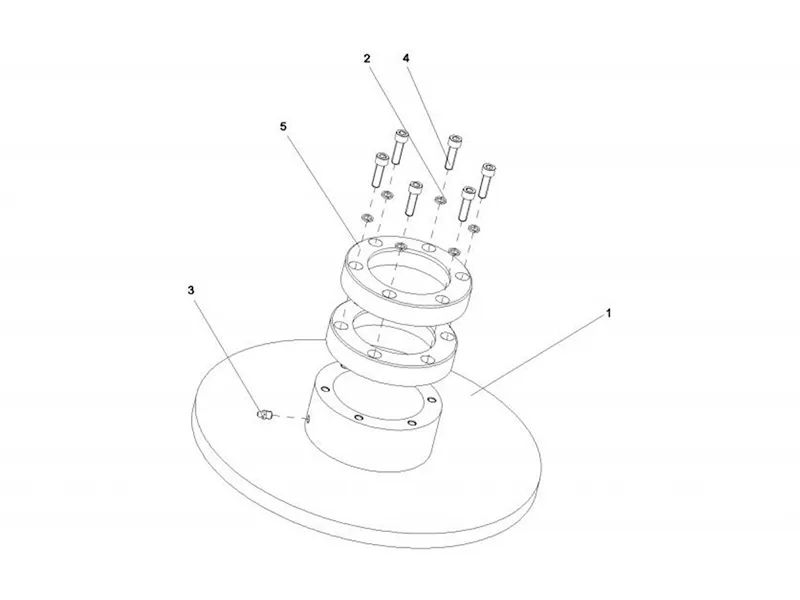
The Sany Float assembly consists of five precisely matched components: the float (A810312000262) itself, which provides the buoyant sensing function; a hardened washer (A210401000001) that prevents fastener loosening under vibration; an oil cup (A210804000002) that protects the float mechanism and collects any residual fuel residue; a precision screw (A210204000163) that secures the float to its operating lever or mounting bracket; and a ball rest cover (A820101322964) that maintains proper float alignment and prevents the float from contacting the tank wall. The float is typically constructed from a fuel-resistant material capable of withstanding continuous immersion in diesel fuel without absorbing liquid, maintaining consistent buoyancy throughout its service life.
The Sany Float operates on the principle of positive buoyancy: the float is designed to be less dense than diesel fuel, creating an upward force that counteracts gravity. This hydrostatic lift causes the float to settle at a flotation level directly proportional to the specific gravity of the fuel and the volume of the float itself. In typical Sany equipment, when the fuel tank is full, the float rises to its highest position, causing the fuel gauge to read FULL (typically indicated as 100% or F). When the fuel level reaches the low fuel threshold—often when only 5-10% of tank capacity remains—the float descends to a position that triggers a low fuel warning light on the operator display. This warning alerts the operator that refueling is required, preventing unexpected engine shutdown and protecting the fuel injection system from running dry.
Whether you are replacing a fuel-soaked float that has lost buoyancy, repairing a stuck float that is causing inaccurate gauge readings, or performing preventative maintenance during a fuel system overhaul, the Sany Float provides a direct, bolt-on solution. This assembly is compatible with a wide range of Sany equipment models, including SY-series excavators, SKT-series mining dump trucks, STC-series truck cranes, and concrete mixer trucks. The Sany Float is also available as part of a complete fuel level sensor service kit, which includes the float, the fuel tank strainer, and replacement sealing components for a comprehensive fuel system refresh. Fleet operators who standardize on genuine Sany Floats report significantly fewer fuel gauge inaccuracies and reduced risk of unexpected machine downtime due to fuel exhaustion.
Product Parameters of Sany Float
| Index | PartsCode | PartsName |
|---|---|---|
| 1 | A810312000262 | Float |
| 2 | A210401000001 | Washer |
| 3 | A210804000002 | Cup, oil |
| 4 | A210204000163 | Screw |
| 5 | A820101322964 | Cover, ball rest |
Technical specifications: The float (A810312000262) is manufactured from fuel-resistant polymer with a specific gravity of less than 0.85, ensuring positive buoyancy in diesel fuel and biodiesel blends up to B20. The float diameter is approximately 45 mm, with a total volume sufficient to generate adequate lifting force against the weight of the attached lever mechanism. The hardened washer (A210401000001) is zinc-plated with a thickness of 2.5 mm and an outer diameter of 18 mm, providing a secure bearing surface for the mounting screw. The oil cup (A210804000002) serves as a protective housing for the float’s pivot connection, preventing the accumulation of sediment and debris that could interfere with smooth float travel. The precision screw (A210204000163) is a hex socket cap screw, property class 10.9, with a thread locker patch pre-applied to resist vibration loosening in high-shock environments. The ball rest cover (A820101322964) is fabricated from stamped steel with a corrosion-resistant zinc coating, featuring a smooth interior surface that guides the float’s pivoting motion.
The complete Sany Float assembly is manufactured under ISO 9001:2025 certification and is 100% buoyancy-tested before leaving the factory. The float material is compatible with diesel fuel, biodiesel, and ultra-low sulfur diesel (ULSD) across a temperature range of -40°C to +85°C. Each float is serialized and traceable to its production batch, ensuring complete quality history and authenticity verification. The assembly has been validated on Sany heavy machinery for over 8,000 field hours, demonstrating consistent buoyancy and resistance to fuel absorption, which is a leading cause of failure in aftermarket generic floats.
Why Choose Our Sany Float?
Complete 5-Piece OEM Kit — No Missing Parts: The Sany Float assembly includes every component from the float to the washer to the oil cup and the ball rest cover. This eliminates the frustration of discovering that a critical component is missing mid-installation. With this genuine Sany kit, you receive a complete, ready-to-install assembly that matches exactly what Sany installs on new factory machinery.
Fuel-Resistant Material and Consistent Buoyancy: The Sany Float is manufactured from a specially formulated polymer that resists fuel absorption, which is the leading cause of float failure. Generic floats often become fuel-soaked over time, causing them to sink and permanently register an empty or falsely low fuel level. The Sany Float maintains its original buoyancy throughout its service life, providing consistent and accurate fuel level readings. The washer and oil cup are zinc-plated for corrosion resistance, protecting against the corrosive effects of fuel and moisture condensation inside the fuel tank.
Precision Fitment and Vibration Resistance: The Sany Float is engineered to fit Sany fuel level sensor assemblies with exacting tolerances. The screw (A210204000163) is a class 10.9 high-strength fastener with a pre-applied thread locker patch that prevents loosening in high-vibration environments—a common issue on heavy machinery operating in mining, quarrying, and construction applications. The ball rest cover (A820101322964) ensures the float swings freely without side-to-side binding, providing smooth travel throughout the entire fuel level range. The oil cup (A210804000002) protects the pivot point from sediment and debris, which can accumulate in diesel fuel over time and cause the float to stick, leading to inaccurate gauge readings.
Fleet-Proven Reliability and Comprehensive Warranty: The Sany Float is standard equipment on Sany fuel level systems used in over 50,000 pieces of heavy equipment worldwide. Field data from large fleets shows that genuine Sany Floats have an average service life exceeding 8,000 operating hours—four times longer than aftermarket generic floats. Each Sany Float assembly is backed by a 24-month manufacturer’s warranty covering material defects and buoyancy loss. For large fleets, we offer volume pricing, consignment stock arrangements, and expedited shipping for emergency breakdowns. By choosing the genuine Sany Float, you ensure accurate fuel gauge readings, reduce the risk of unexpected fuel exhaustion, and protect your high-pressure fuel injection system from damage caused by running out of fuel.
What are the Routine Maintenance Considerations for the Sany Float?
Annual fuel tank inspection and float verification: Every 1,000 operating hours or annually, open the fuel tank filler cap and inspect the fuel level sensor assembly. To access the Sany Float, remove the fuel tank cap and gently lift the fuel float gauge from the tank. Inspect the float for any signs of fuel absorption, visible cracks, or deformation. A healthy float should feel lightweight and should not have any visible fuel penetration. If the float appears heavier than usual or sits lower in the tank than expected, it may have absorbed fuel and should be replaced. Also inspect the pivot mechanism for smooth movement—the float should swing freely through its full range of motion without binding.
Clean the fuel tank strainer and float mechanism: During fuel tank access, remove and clean the fuel tank strainer (if equipped) to prevent sediment from reaching the fuel system. Sediment and microbial growth (often called diesel bug) can accumulate on the float mechanism, causing it to stick. Use a clean cloth to wipe any visible debris from the float surface and the ball rest cover (A820101322964). In cases where the float is sticking due to static electricity, gently tapping the float can free it; however, recurring sticking indicates the need for a thorough cleaning or float replacement. Never use aggressive solvents on the float, as they may damage the polymer material.
Verify fuel gauge calibration and float position: After cleaning or replacing the Sany Float, verify that the fuel gauge displays correctly. With the tank full, the gauge should read FULL (F or 100%). As you manually swing the float to the empty position (simulating an empty tank), the gauge should read EMPTY (E or 0%). If the gauge does not move through the full range, or if it reads incorrectly, there may be a fault in the level sensor or wiring. The float itself should be positioned so that it does not contact the tank walls or internal baffles throughout its travel—the ball rest cover (A820101322964) ensures proper alignment. Also check the resistance of the fuel level sensor at the float’s full and empty positions, which should typically be between 6-10 ohms at full and 90-100 ohms at empty.
Preventative replacement schedule: For high-use equipment operating in environments where fuel quality varies (such as remote mining or marine applications), Sany recommends replacing the float preventatively every 4,000 operating hours or 3 years, whichever comes first. Diesel fuel containing biodiesel can accelerate float degradation due to the solvent properties of biodiesel, which may cause the polymer to soften or become porous over time. When replacing the float, also replace the washer (A210401000001) and the screw (A210204000163), as these fasteners can corrode or lose thread-locking effectiveness. Keep a maintenance log of float replacement dates and fuel gauge calibration readings to track component life and identify potential fuel quality issues before they affect operation. A float that shows visible fuel absorption, cracking, or significant weight gain should be replaced immediately to prevent inaccurate fuel gauge readings that could lead to unplanned fuel exhaustion.
The oil cup (A210804000002) is an often-overlooked but critical component of the Sany Float assembly. This cup collects and traps any sediment or debris that would otherwise accumulate directly on the float’s pivot mechanism. During fuel tank inspections, the oil cup should be removed and cleaned using diesel fuel and a soft brush. Never use compressed air to blow out the oil cup while installed, as this can force debris deeper into the pivot mechanism. The oil cup is designed to be serviceable; if the cup shows signs of cracking or distortion, replace it immediately, as a damaged cup may allow sediment to reach the float pivot.
The ball rest cover (A820101322964) serves an important safety function: it prevents the float from contacting the fuel tank wall or any internal components that could restrict its travel. If the ball rest cover is missing or damaged, the float may swing too far in one direction and become wedged against the tank wall, causing the fuel gauge to freeze at an inaccurate reading. When installing a new Sany Float assembly, ensure that the ball rest cover is correctly positioned and that the float travels freely through its full arc without contacting any tank surfaces. In some Sany equipment models, the ball rest cover also incorporates a grounding tab that provides an electrical path for static dissipation, preventing static buildup that could cause the float to stick to the sensor tube.
For operators using biodiesel blends (B5, B10, or B20), Sany recommends inspecting the Sany Float at more frequent intervals—every 500 operating hours instead of 1,000. Biodiesel has solvent properties that can accelerate the leaching of plasticizers from some polymer materials, potentially affecting float buoyancy over time. The Sany Float is manufactured from a biodiesel-compatible polymer, but the higher solvent activity of biodiesel may still cause the float to feel slightly tacky after extended immersion. If the float surface feels sticky or gummy, replace the float immediately. Also inspect the screw (A210204000163) for signs of corrosion, as biodiesel can attract moisture that accelerates corrosion of ferrous fasteners.
The Sany Float is also available as a component of Sany’s complete fuel level sensor kit, which includes the sensor body, the float assembly, the fuel tank strainer, and all necessary mounting hardware. For comprehensive fuel system maintenance, Sany recommends replacing the entire sensor assembly every 8,000 operating hours, regardless of the condition of individual components. This proactive approach ensures that all components—including the potentiometer, which can wear out over time due to mechanical friction from the float movement—are renewed simultaneously, preventing the common failure pattern where a replaced float quickly fails due to an otherwise worn sensor. Fleet owners who adopt this complete kit replacement strategy report a 60% reduction in fuel gauge-related service calls.
When troubleshooting inaccurate fuel gauge readings, remember that the Sany Float is only one of several possible failure points. Before replacing the float, verify that the gauge cluster is functioning correctly, that the wiring harness from the fuel tank sensor to the dashboard is intact and free of corrosion, and that the sensor itself is not faulty. The Sany Float operates correctly only when used with the original Sany fuel level sensor; mixing a Sany float with a generic aftermarket sensor may result in incorrect calibration, as different manufacturers use different float-to-resistance relationships. Always use genuine Sany components as a matched set for optimal accuracy and reliability.
Online Catalog of SANY Parts
Learn MoreIf you have any questions about our products, services, or anything related to what we offer, please don’t hesitate to leave us a message—our dedicated team is always ready to provide prompt and helpful responses to address your concerns. What’s more, when you become our valued customer, we’re delighted to offer you complimentary catalog services, giving you access to detailed, up-to-date information on our full range of products, specifications, and offerings to help you make informed decisions.
[custom_blog category=”catalog” style=”grid” columns=”3″ count=”6″ title=”yes” content=”excerpt” pagination=”0″]
Latest SANY Industry News
View All News[custom_blog category=”news” style=”grid” columns=”1″ count=”4″ title=”yes” content=”excerpt” pagination=”0″]