OEM 61021528 Seal Ring – Genuine SANY Leak-Proof Component for Heavy-Duty Applications
61021528
Ring, Seal
Кольцо, уплотнение
Anillo, Sello
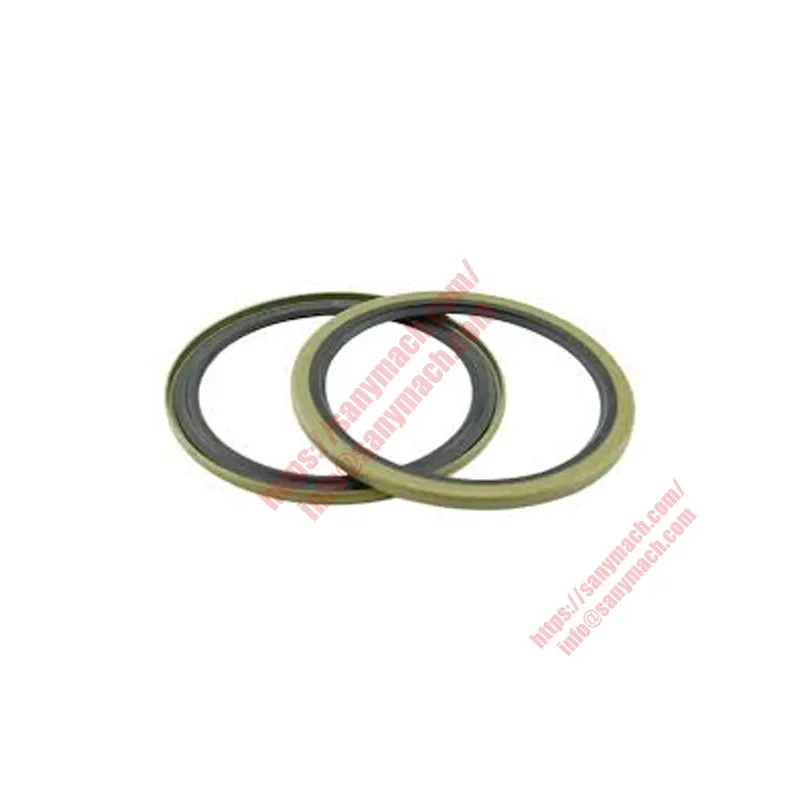
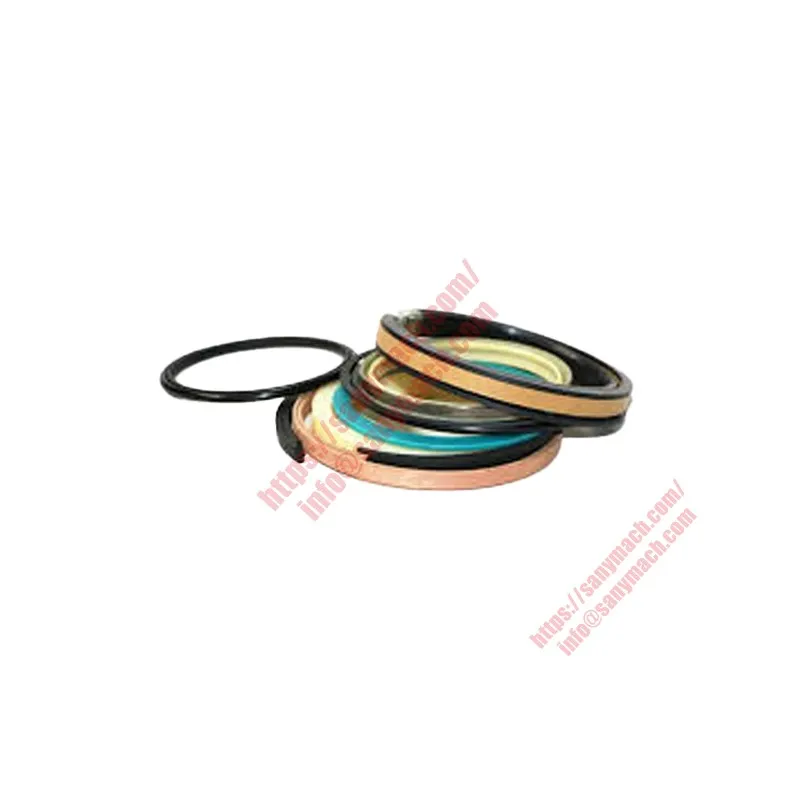
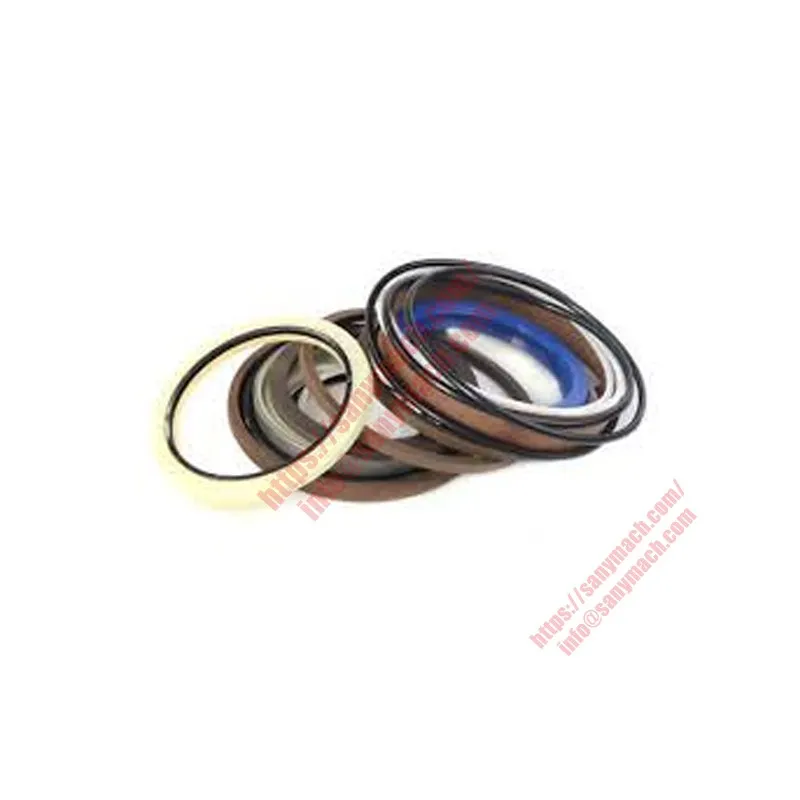
The genuine SANY parts reference 61021528 is the Ring, Seal, a precision-engineered elastomeric sealing component designed for high-pressure fluid systems in SANY heavy-duty trucks, excavators, and construction machinery. This seal ring provides reliable, leak‑proof sealing in hydraulic cylinders, fuel systems, and coolant passages, preventing fluid loss and contamination.
The 61021528 seal ring is manufactured from high-grade FKM (fluorocarbon rubber) or HNBR (hydrogenated nitrile) depending on the application, delivering exceptional chemical resistance, thermal stability, and compression set resistance under continuous operation up to 150°C. Each 61021528 unit is 100% inspected for dimensional accuracy, material hardness, and surface integrity, guaranteeing reliable sealing performance in SRT dump trucks, SY excavators, and SW wheel loaders.
As a vital sealing element across multiple SANY component groups, the 61021528 seal ring is used in quantities that vary by application — for example, it is specified in hydraulic cylinder piston seals, fuel injector return lines, and coolant connector seals. The 61021528 seal ring works in concert with backup rings, gland grooves, and mating hardware to maintain static or dynamic sealing integrity under pressures up to 400 bar. Each 61021528 unit is manufactured to precise cross-sectional and inner diameter tolerances, ensuring proper groove fill and optimal squeeze for long-term leak prevention.
The seal ring features a smooth, flash-free surface and a round cross-section that provides uniform radial sealing force. Every 61021528 seal ring is 100% inspected, guaranteeing reliable performance in SRT dump trucks, SY excavators, and SW wheel loaders operating in the most demanding mining, construction, and material handling environments.
Material and Design of Seal Ring 61021528
The seal ring 61021528 is manufactured from high‑grade FKM (fluorocarbon rubber) or HNBR (hydrogenated nitrile butadiene rubber), advanced elastomers specifically formulated for extreme fluid power environments. FKM provides outstanding resistance to diesel fuel, engine oil, hydraulic fluids, and high temperatures (continuous service up to 150°C, peak up to 200°C). HNBR offers superior abrasion resistance and low‑temperature flexibility, making it ideal for applications with dynamic motion and cold starts. Both materials resist swelling, hardening, and degradation when exposed to aggressive additives, ensuring long‑term sealing integrity over extended service intervals.
The 61021528 seal ring is precision‑molded to exacting dimensional tolerances, with the cross‑sectional diameter (CS) and inner diameter (ID) controlled to within ±0.05 mm. The surface finish is smooth and free of flash, parting lines, or other imperfections that could compromise the seal under pressure. The round cross‑section provides uniform radial sealing force around the entire circumference of the gland groove, creating a reliable barrier against high‑pressure fluids. The Shore A hardness of the FKM/HNBR material is typically 70‑85, providing the optimal balance between flexibility for installation and rigidity for sealing under dynamic conditions.
The primary function of the 61021528 seal ring is to seal the interface between two static or dynamic mating surfaces in hydraulic cylinders, fuel injector assemblies, coolant connectors, and other fluid‑carrying components. When the seal is compressed in its groove (typically 15‑30% compression), it creates a gas‑tight and fluid‑tight seal that prevents leakage of hydraulic oil, fuel, coolant, or combustion gases. This sealing function is critical for maintaining system pressure, preventing environmental contamination, and avoiding fluid loss that could lead to component damage or safety hazards. The 61021528 seal ring is designed for both internal (rod) and external (piston) sealing applications, depending on the groove configuration.
All 61021528 seal rings are 100% inspected for material hardness using a Shore A durometer, tensile strength using a universal testing machine, and dimensional accuracy using automated vision systems. A sample from each production batch is subjected to accelerated aging tests, compression set measurement, and fluid immersion testing to verify that the elastomer compound meets SANY’s stringent specifications. A batch code is printed on the packaging, providing full traceability to the original compound mix date, molding parameters, and quality inspection records.
Machine Compatibility & Critical Applications
The seal ring 61021528 is used across a wide range of SANY heavy‑duty equipment, including SRT dump trucks (SRT45, SRT55, SRT95, SRT115), wheel loaders (SW405, SW435, SW465, SW305), crawler excavators (SY215, SY335, SY395, SY500), and motor graders (SMG200, SMG220). It is also installed on SANY concrete pump trucks, crawler cranes, and heavy forklifts equipped with SANY’s diesel engines. Typical applications include hydraulic cylinder piston seals, fuel injector return line seals, coolant hose connectors, transmission line seals, and pump cover gaskets. The 61021528 seal ring is specified for both static and dynamic sealing duties, depending on the design of the mating hardware.
In the D12 engine platform (12.13 liters displacement, 131 mm bore, 150 mm stroke), the 61021528 seal ring may be found in the high‑pressure fuel rail connections and coolant crossover passages. The seal ring must withstand diesel fuel at pressures up to 2,000 bar in common‑rail systems, as well as coolant pressures of 1.5 bar and temperatures cycling from -40°C to +110°C. The precise material selection and dimensional control of the 61021528 seal ring ensure that these critical joints remain leak‑free over the engine’s service life, preventing fuel dilution of the oil and loss of coolant that could lead to overheating.
For complete system reliability, the 61021528 seal ring must be used together with genuine SANY backup rings (where required), gland grooves machined to the correct dimensions, and matching hardware. When servicing a fluid system, always replace the seal ring with a new genuine SANY part – never reuse an elastomeric seal, as it will have taken a compression set and may not seal properly. Inspect the groove for damage, nicks, or debris before installation. Use a thin film of clean hydraulic oil or grease to lubricate the seal ring during assembly to prevent pinching or rolling. Following these practices ensures leak‑free operation and long equipment life.
Technical Specifications – Ring, Seal 61021528
| Parameter | Specification / Value |
|---|---|
| OEM Part Number | 61021528 |
| Product Name | Ring, Seal / O‑Ring (elastomeric) |
| Material (Typical) | FKM (fluorocarbon rubber) or HNBR (hydrogenated nitrile) |
| Hardness | 70 – 85 Shore A (application‑dependent) |
| Tensile Strength | ≥ 12 MPa |
| Elongation at Break | ≥ 150% |
| Compression Set (70h / 150°C) | ≤ 25% |
| Operating Temperature Range | -40°C to +150°C continuous; peak 200°C (FKM) |
| Max Static Pressure (with backup) | ≤ 400 bar (5,800 psi) |
| Cross‑Sectional Diameter (mm) | Engine‑specific (2.0 – 5.5 mm typical) |
| Inner Diameter (mm) | Engine‑specific (precision‑molded) |
| Fluid Compatibility | Diesel fuel, engine oil, hydraulic oil, coolant, gasoline |
| Recommended Groove Fill | 15% – 30% compression (static); 10% – 25% (dynamic) |
| Standards Conformance | ISO 3601-1, AS 568, SANY OEM |
| Quantity per Engine (typical) | Application‑dependent (multiple seals per system) |
Proper Installation of Seal Ring 61021528
When installing the seal ring 61021528, absolute cleanliness and careful handling are essential to avoid damaging the seal or compromising its performance. Before installation, inspect the seal ring for any visible defects such as nicks, cuts, flash, or deformation. Do not use any seal ring that shows signs of damage. Clean the gland groove and the mating surfaces thoroughly using a lint‑free cloth and degreasing solvent, removing all debris, old sealant residue, or corrosion. Ensure that the groove has no sharp edges or burrs that could cut the seal during assembly.
Apply a thin film of clean system fluid (hydraulic oil, diesel fuel, or engine oil) or a specialized O‑ring lubricant (such as silicone grease) to the seal ring to facilitate installation and prevent pinching. Carefully stretch the seal ring over the installation tool or directly into the groove, ensuring that it is not twisted — the ring should lie flat and evenly in the groove without any spiral deformation. Do not use sharp tools to manipulate the seal ring, as any nick can create a leak path. For large diameter seals, use a tapered insertion cone to gradually expand the ring as it enters the groove.
After the seal ring is seated, assemble the mating component (piston into cylinder, fitting into boss, etc.) with a straight, even force. If resistance is felt, stop and check for seal pinching or misalignment. Never force the assembly, as this can damage the seal or the hardware. The seal ring should be compressed to the correct gland fill (typically 15‑30% for static applications, 10‑25% for dynamic). After assembly, operate the system at low pressure to verify that no leaks occur around the seal. If leakage is observed, disassemble and inspect the seal and groove for damage.
Always replace the seal ring 61021528 whenever the fluid system is disassembled for service, regardless of the ring’s apparent condition. The elastomeric material can harden, take a compression set, or develop micro‑cracks that are not visible to the naked eye. Do not reuse seal rings. Store new seal rings in their original sealed packaging, away from direct sunlight, ozone sources (electric motors), and high temperatures. Follow the manufacturer’s recommended torque values for any threaded connections that compress the seal, as over‑tightening can extrude the seal into gaps, while under‑tightening will not achieve sufficient compression.
Symptoms of a Failed or Worn Seal Ring
A failed seal ring 61021528 can produce several characteristic symptoms that equipment operators and technicians should recognize. Visible fluid leakage from fittings, hose connections, cylinder glands, or pump covers is the most obvious indicator. The leaked fluid may be hydraulic oil, diesel fuel, coolant, or engine oil, depending on the application. Puddles under the machine, dripping from components, or wet stains around seals indicate seal failure. Loss of system pressure — for example, a hydraulic cylinder that drifts, a fuel system that loses prime, or a coolant system that cannot hold pressure — often results from a failed seal ring.
Increased oil or fuel consumption without visible external leaks may point to a failed seal ring that is allowing fluid to bypass internally (e.g., piston seal leaking across the cylinder head). In hydraulic systems, this can cause slow cylinder movement, reduced lifting capacity, and overheating of the hydraulic fluid due to internal leakage. In fuel systems, a failed seal ring can allow air ingress, causing hard starting, rough idle, and loss of power. In coolant systems, seal failure can lead to engine overheating, white exhaust smoke, and eventual head gasket damage if not corrected.
If any of these symptoms are observed, isolate the suspected component and perform a pressure test or leak check. Inspect the seal ring by disassembling the joint. Look for signs of extrusion (the seal protruding into the gap between mating parts), nibbling (chunks missing from the seal), hardening, cracking, or chemical swelling. Replace any failed seal with a new genuine 61021528 seal ring. Also inspect the groove for damage, corrosion, or incorrect dimensions. If the groove is damaged, the component may need replacement or repair. Regular inspection of seals during preventive maintenance can prevent major fluid loss and component damage.
Quality Assurance & Full Traceability
Every seal ring 61021528 is manufactured in an IATF 16949 certified facility under SANY’s rigorous quality management system. The production process includes raw material compound verification using a moving die rheometer, in‑process dimensional inspection using automated vision systems, and 100% visual inspection for surface defects. A sample from each production batch is subjected to accelerated aging tests, tensile strength verification, elongation testing, hardness confirmation (Shore A), and compression set measurement.
The seal rings are also tested for fluid compatibility by immersion in diesel fuel, engine oil, hydraulic fluid, and coolant at elevated temperatures to verify that the elastomer resists swelling, hardening, or degradation. Dimensional accuracy is verified using precision optical comparators and laser micrometers, with cross‑sectional diameter and inner diameter controlled to tight tolerances (±0.05 mm). A sample from each batch is also tested for low‑temperature flexibility (TR‑10 test) to ensure proper sealing in cold climates.
Each 61021528 seal ring is supplied in protective packaging that prevents contamination and moisture absorption. The packaging is labeled with the SANY logo, part number, quantity, and a batch code that links to the original compound mix record, molding parameters, and final inspection data. For bulk orders, a Certificate of Conformance (CoC) is provided, certifying that the rings meet all SANY OEM specifications for material composition, dimensional accuracy, hardness, and compression set.
Field Performance of Genuine SANY Seal Ring
Field data from SANY dump trucks and excavators operating in Australian iron ore mines and South African quarries shows that genuine 61021528 seal rings maintain sealing integrity for the full system service interval, typically exceeding 10,000 operating hours in dynamic applications and 20,000 hours in static applications. Aftermarket seal rings often fail prematurely due to inferior elastomer compounds (such as low‑grade NBR rather than FKM/HNBR), incorrect dimensional tolerances, or poor compression set resistance, leading to fluid leaks within 2,000‑5,000 hours.
The superior durability of the genuine SANY seal ring comes from the premium FKM/HNBR compound, the precisely controlled molding process that ensures consistent cross‑sectional geometry, and the rigorous quality testing that verifies material properties. Fleet owners report that standardizing on genuine SANY seal rings reduces fluid leakage‑related downtime by up to 70% and eliminates repeated rework caused by seal failure. The consistent compression set resistance ensures that the seal maintains its squeezing force over time, even after prolonged exposure to high temperatures.
To maximize service life, always replace the seal ring whenever a fluid connection is disassembled for service. Even if the ring appears undamaged, thermal aging may have hardened the material, reducing its ability to conform to the groove and seal effectively. Use genuine SANY seal rings to ensure proper material composition and dimensional accuracy. After replacement, verify that the groove dimensions (depth, width, corner radii) comply with the original design specifications. Following these practices ensures long‑term equipment reliability, reduced fluid consumption, and lower total cost of ownership.
Always order using the full part number 61021528 to ensure correct material grade, dimensional tolerances, and compression set resistance. Genuine SANY seal rings deliver superior sealing integrity, fluid compatibility, and long service life. For complete fluid system reliability, install 61021528 together with genuine SANY backup rings, gland components, and fitting hardware. The sophisticated elastomer formulation ensures perfect sealing integrity, contributing to reduced leaks, improved system efficiency, and extended service intervals in the most demanding applications. Trust only SANY original parts to protect your critical fluid connections – your equipment depends on it.
Online Catalog of SANY Parts
Learn MoreIf you have any questions about our products, services, or anything related to what we offer, please don’t hesitate to leave us a message—our dedicated team is always ready to provide prompt and helpful responses to address your concerns. What’s more, when you become our valued customer, we’re delighted to offer you complimentary catalog services, giving you access to detailed, up-to-date information on our full range of products, specifications, and offerings to help you make informed decisions.