
Sany SSR120 Roller Pull Rod Mechanism
The Sany SSR120 Roller Pull Rod Mechanism is a heavy-duty tension and compression linkage assembly designed to transmit steering forces and maintain precise alignment between the articulated frame sections of the Sany SSR120 single-drum vibratory roller. This pull rod mechanism connects the hydraulic steering cylinders to the front drum frame, converting the linear motion of the cylinder pistons into the controlled angular articulation of Sany SSR120 Roller Pull Rod Mechanism.
As a reliable supplier of Sany Parts, we provide genuine OEM pull rod mechanisms manufactured to the exact dimensional and material specifications of the original equipment. The pull rod mechanism features a forged steel rod body with threaded adjustment ends, spherical rod end bearings with self-lubricating liners, locking jam nuts with integral cotter pin retention, and reinforced mounting brackets that distribute steering forces evenly across the frame attachment points, making it a critical component for precise steering control and safe roller operation.
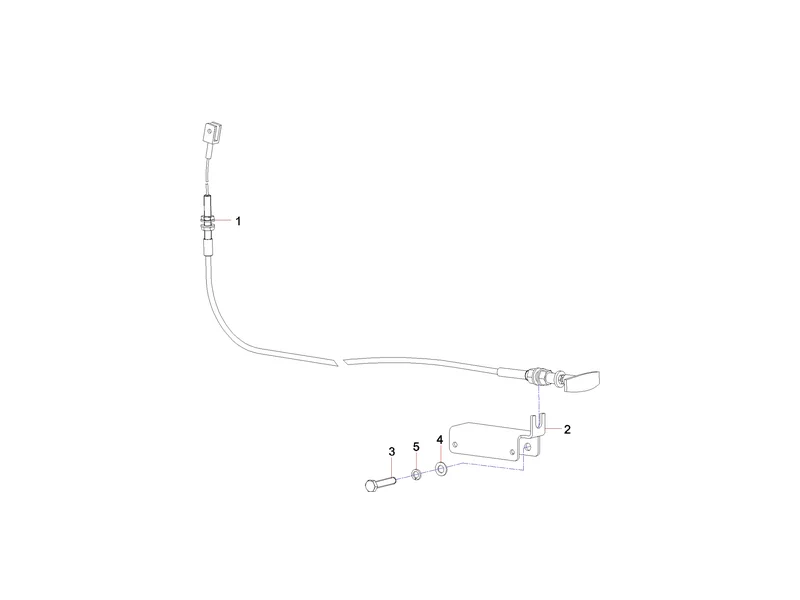
What is the Sany SSR120 Roller Pull Rod Mechanism?
The Sany SSR120 Roller Pull Rod Mechanism is a precision steering linkage component that forms the mechanical connection between the hydraulic steering cylinders and the front drum frame of the SSR120 single-drum vibratory roller. When the operator turns the steering wheel, hydraulic pressure the Sany SSR120 Roller Pull Rod Mechanism is directed to the steering cylinders, which extend or retract their piston rods. The pull rod mechanism transmits this linear motion to the front frame, causing it to articulate around the central hinge connection.
The pull rod the Sany SSR120 Roller Pull Rod Mechanism is designed to handle both tensile and compressive loads, as the steering forces reverse direction depending on whether Sany SSR120 Roller Pull Rod Mechanism is turning left or right. Sany SSR120 Roller Pull Rod Mechanism consists of a forged steel rod body with threaded end sections, spherical rod end bearings that allow angular movement, and hardened steel bushings that provide precise alignment with the mounting brackets. The rod body is manufactured from micro-alloyed medium-carbon steel and is heat-treated to achieve a tensile strength of 850 MPa, ensuring durability under the cyclic loading conditions of steering operation.
The Sany SSR120 Roller Pull Rod Mechanism incorporates adjustable threaded ends that allow the steering geometry to be precisely set during assembly and maintained throughout the service life of Sany SSR120 Roller Pull Rod Mechanism. Each end of the pull rod features a threaded section with a spherical rod end bearing that screws onto the rod body. The rod end bearings are manufactured with a hardened steel ball and a PTFE-lined race that provides low-friction articulation and eliminates the need for periodic greasing.
The bearings are rated for the full steering load in both tension and compression, with a static load capacity that exceeds the maximum force generated by the steering cylinders. The threaded adjustment allows the overall length of the pull rod assembly to be changed by up to 25mm, providing the range needed to set the correct toe alignment of the front drum. Once the alignment the Sany SSR120 Roller Pull Rod Mechanism is set, the threaded ends are locked in position with jam nuts that incorporate a cotter pin retention feature, preventing the nuts from loosening due to vibration during roller operation.
The Sany SSR120 Roller Pull Rod Mechanism is equipped with safety features that prevent catastrophic failure in the event of component wear or damage. Each rod end bearing is fitted with a wear indicator that shows the remaining service life of the bearing liner. The wear indicator consists of a groove machined into the bearing housing that becomes visible when the liner has worn to the point where replacement the Sany SSR120 Roller Pull Rod Mechanism is recommended. This visual indicator allows the operator or maintenance technician to quickly assess the condition of the rod end bearings during routine inspections.
The pull rod the Sany SSR120 Roller Pull Rod Mechanism is also designed with a fail-safe feature that prevents complete separation of the steering linkage if a rod end bearing fails. The bearing housing is captured within the mounting bracket by a retaining washer that is larger than the bracket opening, ensuring that the steering linkage remains connected even if the bearing ball separates from the race. This safety feature is particularly important for a steering component, as a complete loss of steering control could result in a serious accident.
The Sany SSR120 Roller Pull Rod Mechanism is manufactured to rigorous quality standards that ensure precise steering control and long service life. The rod body is forged in closed dies that produce a grain flow pattern aligned with the principal stress direction, maximizing fatigue strength. The threaded ends are rolled rather than cut, which work-hardens the thread surface and eliminates the stress concentration points that can initiate fatigue cracks at the thread root.
The spherical rod end bearings are assembled in a cleanroom environment and are individually tested for articulation torque and radial play before being released for distribution. The jam nuts are manufactured from high-strength alloy steel and are zinc-plated for corrosion protection. Sany SSR120 Roller Pull Rod Mechanism pull rod assembly is coated with a two-component epoxy paint system that provides excellent resistance to chipping, UV degradation, and chemical attack from hydraulic fluid and diesel fuel. With proper adjustment and maintenance, the pull rod mechanism is designed to provide precise steering control throughout the operating life of the SSR120 roller.
Product Parameters of Sany SSR120 Roller Pull Rod Mechanism
| Item No. | Part No. | Description |
|---|---|---|
| 1 | SSR120-PR-001 | Forged Steel Pull Rod Body – Left Side |
| 2 | SSR120-PR-002 | Forged Steel Pull Rod Body – Right Side |
| 3 | SSR120-PR-003 | Spherical Rod End Bearing – Front |
| 4 | SSR120-PR-004 | Spherical Rod End Bearing – Rear |
| 5 | SSR120-PR-005 | Locking Jam Nut with Cotter Pin – M30 |
| 6 | SSR120-PR-006 | Hardened Steel Bushing Set |
| 7 | SSR120-PR-007 | Front Frame Mounting Bracket – Left |
| 8 | SSR120-PR-008 | Front Frame Mounting Bracket – Right |
| 9 | SSR120-PR-009 | Cylinder End Mounting Bracket – Left |
| 10 | SSR120-PR-010 | Cylinder End Mounting Bracket – Right |
| 11 | SSR120-PR-011 | Bearing Retaining Washer Set |
| 12 | SSR120-PR-012 | Wear Indicator Groove Bearing Housing |
| 13 | SSR120-PR-013 | Grade 10.9 Mounting Bolt Set – M20 |
| 14 | SSR120-PR-014 | Steering Alignment Shim Kit |
Why Choose Our Sany SSR120 Roller Pull Rod Mechanism?
Our Sany SSR120 Roller Pull Rod Mechanism is manufactured to the highest standards of precision and durability, ensuring reliable steering control and safe operation of your roller. The pull rod body is forged from vacuum-degassed micro-alloyed steel and is subjected to a controlled normalizing heat treatment that produces a uniform fine-grain microstructure with excellent strength and toughness. The threaded ends are produced by rolling rather than cutting, which increases the fatigue strength of the threads by up to 30 percent compared to cut threads.
The spherical rod end bearings are manufactured with a heat-treated alloy steel ball and a PTFE composite liner that provides self-lubricating operation and eliminates the need for periodic greasing. Each bearing is individually tested for articulation torque and radial clearance to ensure consistent performance. The jam nuts are manufactured from high-strength alloy steel and are zinc-plated with a yellow chromate conversion coating for superior corrosion resistance. This commitment to manufacturing excellence ensures that every pull rod mechanism we supply delivers the steering precision and reliability you expect from genuine Sany components.
We implement rigorous quality control measures for every Sany SSR120 Roller Pull Rod Mechanism we supply. The forged rod bodies are subjected to magnetic particle inspection to detect any surface defects that could compromise the structural integrity of Sany SSR120 Roller Pull Rod Mechanism. The threaded sections are inspected using thread gauges and optical comparators to verify thread form, pitch, and major diameter within specified tolerances. The spherical rod end bearings are tested for static load capacity, radial play, and articulation torque using calibrated test equipment.
Sany SSR120 Roller Pull Rod Mechanism pull rod assembly is subjected to a proof load test at 150 percent of the rated load capacity to verify that all components meet the specified strength requirements. We also perform fitment testing on an actual SSR120 roller frame to confirm that the pull rod mechanism installs correctly and provides the full range of steering articulation. This comprehensive quality assurance program ensures that our pull rod mechanisms deliver the safety and performance that SSR120 roller owners depend on.
We offer competitive pricing on the Sany SSR120 Roller Pull Rod Mechanism without compromising on the quality and safety features that are essential for this critical steering component. Our efficient manufacturing and supply chain operations allow us to deliver genuine OEM-quality pull rod mechanisms at prices that are significantly lower than those charged by equipment dealerships. We maintain inventory of complete pull rod mechanism kits as well as individual replacement components, so you can order a full set for a steering system overhaul or individual parts to replace worn rod end bearings or damaged rods.
For customers with multiple SSR120 rollers in their fleet, we offer volume pricing and can provide a consistent supply of pull rod mechanisms and spare parts to support your ongoing maintenance requirements. Our logistics team can arrange fast shipping to your location, ensuring that you have the steering components you need to keep your roller operating safely and productively.
Our after-sales support for the Sany SSR120 Roller Pull Rod Mechanism includes technical assistance, installation guidance, and warranty protection. We provide detailed technical documentation, including assembly drawings, torque specifications, and alignment procedures, to ensure that the pull rod mechanism is installed correctly and the steering geometry is set accurately. Our technical support team is available to answer questions about pull rod selection, troubleshooting steering issues, and adjusting the steering alignment for optimal performance. We stand behind every pull rod mechanism we sell with a comprehensive warranty that covers manufacturing defects and material flaws.
In the event that a pull rod component does not meet your expectations, our customer service team will work with you to resolve the issue promptly. We also maintain a comprehensive inventory of spare parts, including rod end bearings, jam nuts, bushings, and mounting brackets, ensuring that you can keep your steering system in optimal condition throughout the service life of your roller. Choose our pull rod mechanism and experience the confidence that comes from precise, reliable steering control.
What are the Routine Maintenance Considerations for the Sany SSR120 Roller Pull Rod Mechanism?
Regular inspection of the Sany SSR120 Roller Pull Rod Mechanism is essential for maintaining safe steering control. Before each operating shift, visually examine the pull rod assemblies on both the left and right sides of Sany SSR120 Roller Pull Rod Mechanism for any signs of damage, bending, or loose fasteners. Check the spherical rod end bearings for excessive radial play by attempting to move the rod end laterally within the mounting bracket. Any perceptible movement indicates that the bearing liner has worn beyond the acceptable limit and the bearing should be replaced.
Examine the wear indicator grooves on the bearing housings; if the groove is no longer visible, the bearing liner has worn to the point where replacement is recommended. Inspect the jam nuts at the threaded ends of the pull rod to ensure they are tight against the bearing housing and that the cotter pins are in place and properly spread. Check the mounting brackets for any signs of cracking or deformation, particularly around the bolt holes and welded areas. A thorough pre-shift inspection can identify developing problems before they compromise steering safety.
The steering alignment of the Sany SSR120 Roller Pull Rod Mechanism should be checked periodically to ensure that Sany SSR120 Roller Pull Rod Mechanism tracks straight and the steering responds predictably. The alignment should be checked every 1000 operating hours, after any repair to the steering system, or whenever Sany SSR120 Roller Pull Rod Mechanism exhibits pulling to one side during operation. The alignment procedure involves measuring the distance between reference points on the front and rear frame sections and adjusting the length of the pull rods by turning the threaded rod end bearings.
The adjustment should be made with Sany SSR120 Roller Pull Rod Mechanism parked on a level surface and the steering wheel in the straight-ahead position. After adjusting the pull rod length, tighten the jam nuts to the specified torque and install new cotter pins. Verify the alignment by driving Sany SSR120 Roller Pull Rod Mechanism in a straight line on a level surface and confirming that Sany SSR120 Roller Pull Rod Mechanism does not drift to either side. Proper alignment not only ensures safe steering but also reduces tire wear and minimizes the steering effort required from the operator.
The mounting bolts of the Sany SSR120 Roller Pull Rod Mechanism must be checked for proper torque at regular intervals. Using a calibrated torque wrench, verify that each bracket mounting bolt is tightened to the specification listed in the SSR120 service manual, typically 400-450 Nm for the M20 grade 10.9 bolts used in this application. Check the bolt torque every 500 operating hours or every six months, whichever comes first. Pay particular attention to the bolts securing the mounting brackets to the frame, as these bolts experience the full steering loads transmitted through the pull rod mechanism.
If any bolt is found to be loose, remove it and inspect the bolt threads and the threaded hole in the frame for signs of damage. Apply fresh thread-locking compound before reinstalling the bolt and torquing to specification. The jam nuts on the threaded rod ends should also be checked for proper torque, as loose jam nuts can allow the rod end bearings to rotate, changing the steering alignment and potentially causing thread damage. Always use new cotter pins when reinstalling the jam nuts.
When replacing the spherical rod end bearings on the Sany SSR120 Roller Pull Rod Mechanism, always use genuine Sany replacement bearings to ensure proper fit and performance. The rod end bearings are designed to be replaced as a set, with both front and rear bearings on each pull rod changed at the same time. Before removing the old bearings, measure and record the exposed thread length on each end of the pull rod so that the new bearings can be installed at the same position, preserving the steering alignment.
When installing the new bearings, apply a small amount of anti-seize compound to the threads to prevent galling and facilitate future adjustment. Screw the bearing onto the rod end until the measured thread length matches the recorded value, then tighten the jam nut to the specified torque and install a new cotter pin. After replacing the bearings, verify the steering alignment and adjust as necessary. Keep the replaced bearings for reference, noting the operating hours at replacement, as this information can help you establish the bearing replacement interval for your specific operating conditions. Proper maintenance of the pull rod mechanism is essential for safe and reliable steering control.
Online Catalog of SANY Parts
Learn MoreIf you have any questions about our products, services, or anything related to what we offer, please don’t hesitate to leave us a message—our dedicated team is always ready to provide prompt and helpful responses to address your concerns. What’s more, when you become our valued customer, we’re delighted to offer you complimentary catalog services, giving you access to detailed, up-to-date information on our full range of products, specifications, and offerings to help you make informed decisions.
[custom_blog category=”catalog” style=”grid” columns=”3″ count=”6″ title=”yes” content=”excerpt” pagination=”0″]
Latest SANY Industry News
View All News[custom_blog category=”news” style=”grid” columns=”1″ count=”4″ title=”yes” content=”excerpt” pagination=”0″]