Sany SSR120 Roller Oil Return Joint
The Sany SSR120 Roller Oil Return Joint is a precision-engineered hydraulic connector that serves as the interface point where hydraulic oil returning from various circuits re-enters the main reservoir or filter assembly of the Sany SSR120 single-drum vibratory roller. Sany SSR120 Roller Oil Return Joint is designed to handle high-volume return flow while preventing backpressure, aeration, and leakage that could compromise hydraulic system efficiency.
As a trusted supplier of genuine Sany Parts, we provide oil return joints that meet exact OEM specifications for thread size, sealing surface geometry, and material composition. Sany SSR120 Roller Oil Return Joint joint plays a critical role in maintaining proper reservoir pressure and preventing the cavitation that can damage pumps and degrade hydraulic system responsiveness under demanding operating conditions.
What is the Sany SSR120 Roller Oil Return Joint?
The Sany SSR120 Roller Oil Return Joint is a specialized hydraulic fitting assembly that connects the return oil lines from the steering system, vibration system, travel motor circuit, and other hydraulic consumers back to the hydraulic reservoir. Unlike a simple pipe fitting, Sany SSR120 Roller Oil Return Joint is engineered with internal flow passages that direct returning oil below the fluid surface in the reservoir to minimize aeration and foaming.
typically incorporates a diffuser element that slows the return oil velocity and distributes it evenly within the tank, allowing entrained air bubbles to separate before the oil is drawn back into the pump suction line. This design feature is particularly important for vibratory rollers, where the continuous high-frequency vibration of the drum can introduce air into the hydraulic fluid through agitation and cavitation effects.
Sany SSR120 Roller Oil Return Joint joint is machined from high-strength steel or ductile iron with internal passages that are sized to minimize flow restriction and pressure drop. Excessive backpressure in the return circuit can cause sluggish actuator response, increased heat generation, and premature seal failure in hydraulic cylinders and motors. Sany SSR120 Roller Oil Return Joint’s sealing surfaces are precision-ground to achieve the surface finish required for reliable O-ring or metal-to-metal sealing, depending on the specific connection type.
Mounting flanges are machined flat and parallel to ensure even gasket compression and leak-free assembly. Sany SSR120 Roller Oil Return Joint may incorporate multiple inlet ports of varying sizes to accommodate return lines from different circuits, with each port clearly identified for correct hose routing during installation and maintenance. Internal check valves may be integrated to prevent reverse flow that could drain Sany SSR120 Roller Oil Return Joint during shutdown.
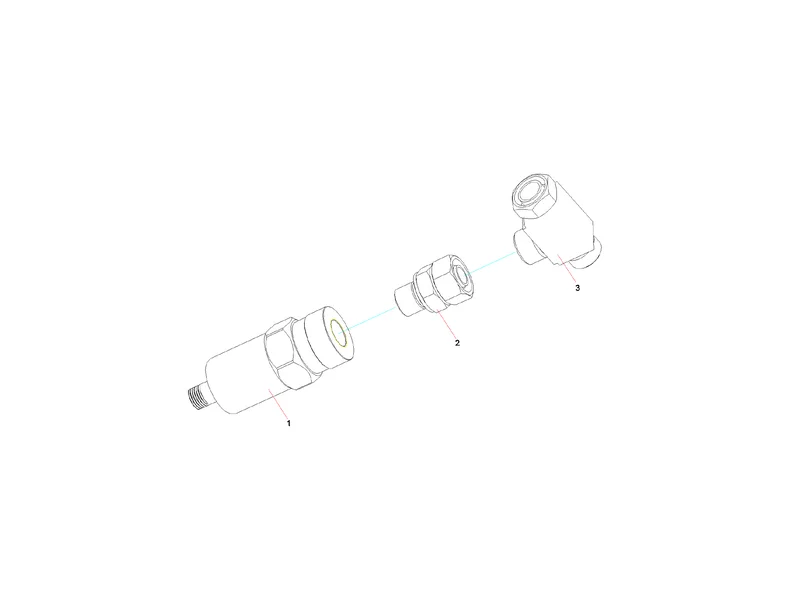
The externalconnections on Sany SSR120 Roller Oil Return Joint joint use standardized hydraulic fitting interfaces that ensure compatibility with the SSR120’s existing hose assemblies. Common connection types include O-ring face seal fittings, split flange connections, and BSPP or metric threaded ports with bonded seal washers. Each connection type is selected based on the pressure rating, flow capacity, and accessibility requirements of the specific circuit.
body may include threaded bosses for mounting brackets, temperature sensors, or pressure test points. The entire assembly is protected with a corrosion-resistant plating or coating that withstands exposure to hydraulic fluid, moisture, and the environmental conditions encountered on construction sites. Sany SSR120 Roller Oil Return Joint is designed to maintain its sealing integrity across the full operating temperature range of the hydraulic system, from cold-start conditions to sustained high-temperature operation.
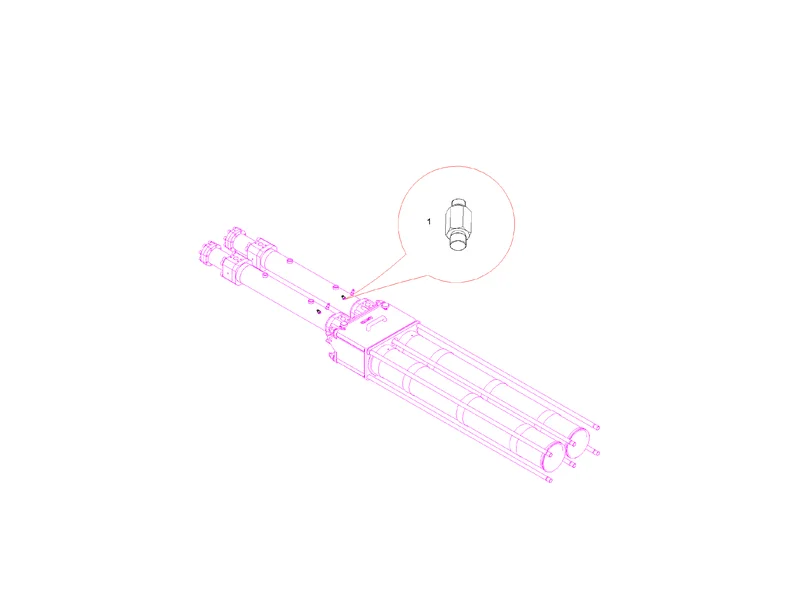
The Sany SSR120 Roller Oil Return Joint is positioned at a strategic location in the hydraulic system, typically on or near the hydraulic reservoir. This location is selected to minimize the length of return hoses and the associated pressure drop, while providing adequate accessibility for maintenance. Sany SSR120 Roller Oil Return Joint is secured to the reservoir or frame with bolts that are torqued to manufacturer specifications to prevent loosening under vibration.
Gaskets or O-rings between Sany SSR120 Roller Oil Return Joint and the reservoir ensure a leak-free interface that prevents both oil leakage and contaminant ingress. Sany SSR120 Roller Oil Return Joint’s internal design prevents the formation of oil vortices that could draw air into the pump suction, a condition that causes cavitation damage and noisy operation. This attention to internal flow dynamics distinguishes a properly engineered oil return joint from a simple manifold or tee fitting.
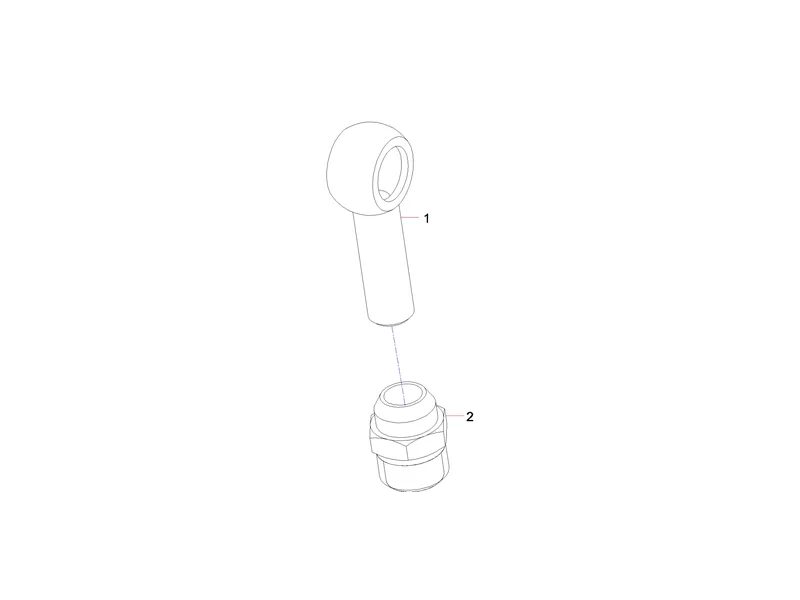
Product Parameters of Sany SSR120 Roller Oil Return Joint
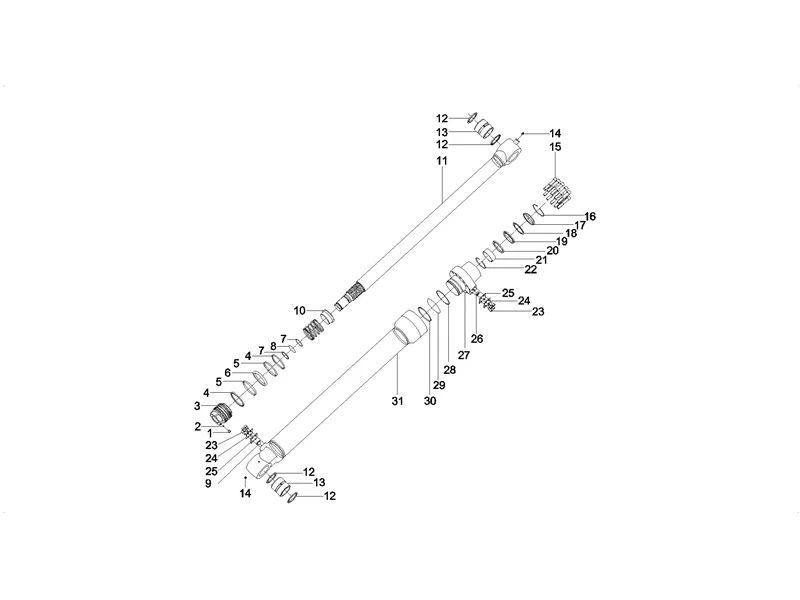
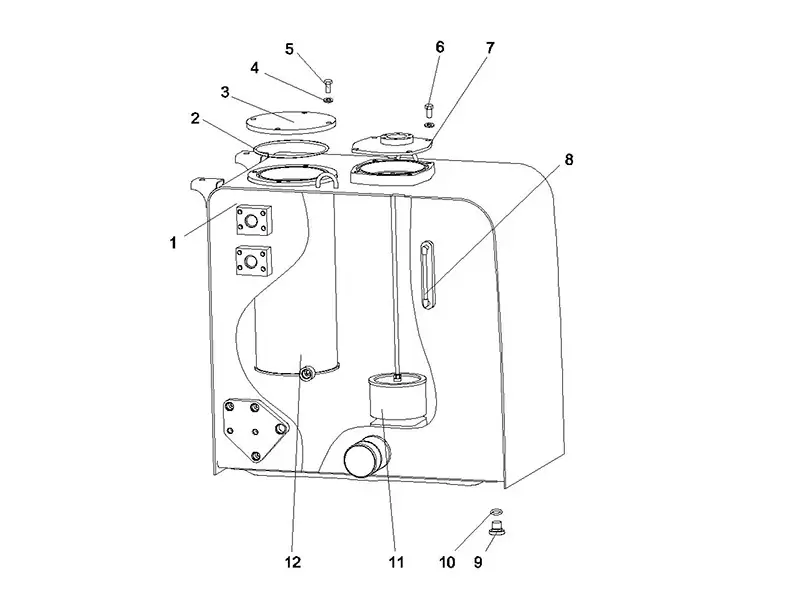
| Item No. | Part No. | Description |
|---|---|---|
| 1 | SSR120-ORJ-001 | Oil Return Joint Assembly |
| 2 | SSR120-ORJ-002 | Return Joint Body |
| 3 | SSR120-ORJ-003 | Return Diffuser Element |
| 4 | SSR120-ORJ-004 | Mounting Flange Gasket |
| 5 | SSR120-ORJ-005 | O-Ring Seal Set |
| 6 | SSR120-ORJ-006 | Flange Bolt Set |
| 7 | SSR120-ORJ-007 | Return Hose Connector |
| 8 | SSR120-ORJ-008 | Check Valve Assembly |
| 9 | SSR120-ORJ-009 | Temperature Sensor Port |
| 10 | SSR120-ORJ-010 | Breather Cap Assembly |
| 11 | SSR120-ORJ-011 | Return Line Adapter |
| 12 | SSR120-ORJ-012 | Vortex Prevention Baffle |
| 13 | SSR120-ORJ-013 | Drain Plug Assembly |
| 14 | SSR120-ORJ-014 | Joint Mounting Bracket |
Why Choose Our Sany SSR120 Roller Oil Return Joint?
Our Sany SSR120 Roller Oil Return Joint is manufactured to precise dimensional tolerances using premium materials that ensure reliable sealing and long service life. Each joint body is machined from certified steel or iron castings on CNC equipment that maintains consistent quality across production batches. Critical sealing surfaces are finish-ground to achieve the surface roughness specified for the seal type, ensuring reliable O-ring compression without excessive deformation or extrusion.
Threaded ports are inspected with thread gauges to verify correct pitch, diameter, and depth. Each joint assembly undergoes a hydrostatic pressure test at 1.5 times the rated working pressure to verify casting integrity and seal performance. We reject any component that shows porosity, dimensional deviation, or surface defects that could compromise function. This rigorous quality control ensures that every oil return joint installs correctly and performs reliably from the first day of service.
Competitive pricing and reliable availability make our oil return joints an economical choice for fleet maintenance and equipment repair operations. We have streamlined our manufacturing and distribution processes to offer competitive pricing without sacrificing quality. Our inventory management system ensures that popular joint configurations are stocked and available for immediate shipment.
For urgent requirements, we can arrange expedited air freight delivery to minimize equipment downtime. We also offer volume pricing for customers who maintain multiple SSR120 rollers or who operate as equipment dealers and service centers. Our packaging is designed to protect Sany SSR120 Roller Oil Return Joint’s precision sealing surfaces during transit, with each component individually wrapped and secured within a sturdy carton with adequate cushioning material.
Technical support is an integralpart of our service offering. Our hydraulic specialists can assist with joint selection, compatibility verification, and installation guidance. We provide detailed documentation including dimensional drawings, port identification diagrams, and torque specifications for mounting fasteners. Our engineers can help diagnose oil return system problems such as excessive backpressure, aeration, or foaming by analyzing system configuration and operating conditions. We can also recommend complementary components such as return filters, breathers, and tank accessories that optimize the performance of the complete hydraulic reservoir system. This consultative approach helps customers avoid the trial-and-error that can waste time and money when addressing hydraulic system issues.
Our warranty and after-sales support provide additional assurance of product quality and reliability. We warrant our oil return joints against defects in materials and workmanship under normal operating conditions, with clear terms that define coverage scope and duration. Our claims process is efficient and customer-focused, recognizing that hydraulic system downtime directly affects project schedules and equipment availability.
We maintain detailed records of all shipments, enabling rapid verification of purchase dates and specifications. Beyond warranty, we support our products throughout their service life with replacement seals, gaskets, and technical consultation. This long-term commitment to product support has established lasting relationships with construction companies, equipment rental firms, and independent maintenance providers across diverse international markets and operating environments.
What are the Routine Maintenance Considerations for the Sany SSR120 Roller Oil Return Joint?
Regular external inspection of the oil return joint is the primary maintenance activity for Sany SSR120 Roller Oil Return Joint. During daily pre-start checks, examine the area around Sany SSR120 Roller Oil Return Joint for signs of oil leakage, which appears as wetness, staining, or dust accumulation on oily surfaces. Check the tightness of all hose connections at Sany SSR120 Roller Oil Return Joint ports, as vibration and thermal cycling can cause fittings to loosen over time.
Inspect Sany SSR120 Roller Oil Return Joint-to-reservoir mounting flange for gasket seepage, and check the condition of mounting bolts for corrosion or loosening. Look for any signs of external damage to Sany SSR120 Roller Oil Return Joint body, such as impact marks from job site debris or cracks developing at stress concentration points. Pay attention to unusual sounds from the reservoir area during operation, such as gurgling or whistling that may indicate air being drawn into the return system through a compromised seal or fitting.
Seal and gasket replacement should be performed whenever Sany SSR120 Roller Oil Return Joint is disassembled for any reason, or at the first sign of leakage. The O-rings and gaskets used in Sany SSR120 Roller Oil Return Joint joint are subject to compression set, hardening, and chemical degradation over time, particularly when exposed to elevated operating temperatures. Use only the specified seal materials, typically nitrile or fluoroelastomer compounds, that are compatible with the hydraulic fluid type and operating temperature range.
When replacing seals, carefully clean the sealing surfaces on both Sany SSR120 Roller Oil Return Joint body and mating components to remove any residue, corrosion, or debris that could prevent proper sealing. Lubricate new O-rings with clean hydraulic fluid before installation to prevent twisting or damage during assembly. Tighten fasteners to the specified torque in a cross-pattern sequence to ensure even gasket compression.
Internal inspection of the return joint should be performed whenever the hydraulic reservoir is drained for oil replacement or system cleaning. Remove Sany SSR120 Roller Oil Return Joint and inspect the internal passages for accumulated sludge, varnish deposits, or metallic debris that could indicate system contamination or component wear. Clean the internal passages using a suitable solvent and compressed air, ensuring that all debris is removed before reassembly.
Inspect the diffuser element for damage, blockage, or deterioration that could affect its ability to control return oil flow and prevent aeration. Check the condition of any internal check valves, verifying that they move freely and seat properly. Replace any internal components that show signs of wear, corrosion, or damage. Document the condition of Sany SSR120 Roller Oil Return Joint internals and any findings in Sany SSR120 Roller Oil Return Joint maintenance log.
The breather element on the reservoir, which works in conjunction with the oil return joint to maintain proper tank pressure, should be inspected and replaced at regular intervals. A clogged breather can cause excessive pressure or vacuum in the reservoir, which stresses the return joint seals and can cause leakage or air ingestion. Replace the breather element at the interval specified in the service manual, typically every 500 to 1,000 operating hours, or more frequently in dusty environments.
When replacing the breather, inspect the breather port on the reservoir or return joint for blockage or corrosion. Verify that the breather is correctly sized for the reservoir’s air exchange rate, which is determined by the cylinder displacement volumes and oil temperature fluctuations during operation. After any service work on the return joint, cycle all hydraulic functions through their full range while monitoring for leaks, and retorque fasteners as necessary after the first few hours of operation.
Online Catalog of SANY Parts
Learn MoreIf you have any questions about our products, services, or anything related to what we offer, please don’t hesitate to leave us a message—our dedicated team is always ready to provide prompt and helpful responses to address your concerns. What’s more, when you become our valued customer, we’re delighted to offer you complimentary catalog services, giving you access to detailed, up-to-date information on our full range of products, specifications, and offerings to help you make informed decisions.